

bathroom mirror wholesale
The Significance of the 3/4 Water Valve in Everyday Life A 3/4 water valve is a seemingly small yet critically essential component in our daily lives. It might go unnoticed by many, but its function is vital to the efficient and controlled flow of water in various domestic and industrial applications. This seemingly insignificant part plays a significant role in ensuring the smooth operation of our plumbing systems, irrigation networks, and industrial processes. The 3/4 water valve, as the name suggests, refers to a valve that controls the flow of water through a pipe with a diameter of 3/4 inches. It is a standard size for residential water supply lines, often found in faucets, washing machines, and other water-using appliances. Its compact design allows it to fit easily into tight spaces, making it a practical choice for numerous installations. One of the primary functions of this valve is to regulate water flow. It can be opened or closed to start or stop the flow, or partially opened to control the volume of water passing through. The precision control it offers is particularly useful in situations where water conservation or precise flow regulation is necessary. For instance, in gardening, a 3/4 valve can be used to manage the irrigation system, ensuring plants receive just the right amount of water without waste. In households, the 3/4 water valve serves as a safety measure. In case of a leak or emergency, it can be swiftly shut off, preventing water damage and potential flooding In case of a leak or emergency, it can be swiftly shut off, preventing water damage and potential flooding In case of a leak or emergency, it can be swiftly shut off, preventing water damage and potential flooding In case of a leak or emergency, it can be swiftly shut off, preventing water damage and potential flooding 3/4 water valve . It's a first line of defense against plumbing issues, allowing homeowners to quickly isolate the problem area without disrupting the entire water supply. In industrial settings, these valves find extensive use due to their durability and ability to handle high pressure and flow rates. They are employed in cooling systems, chemical processing, and manufacturing plants, where they help maintain optimal operational efficiency and safety. Moreover, 3/4 water valves come in various types - gate, ball, butterfly, and more - each with its unique features and applications. Gate valves are ideal for on/off control, while ball valves offer quick shut-off and full flow. The choice depends on the specific needs, such as pressure ratings, temperature range, and the type of fluid being handled. In conclusion, the 3/4 water valve, though often unseen, is an indispensable part of our daily infrastructure. It is a testament to the power of engineering in creating simple solutions to complex problems. From the tap in our kitchen to the pipelines in factories, these valves ensure the reliable and controlled flow of water, underpinning the comfort and convenience we often take for granted. Understanding and appreciating their role helps us make informed decisions when it comes to maintenance, repair, and upgrades, ultimately contributing to a more efficient and sustainable water management system.
about
bathroom mirror wholesale
How to Find the Main Water Valve Finding the main water valve in your home is an important skill for any homeowner or renter. This valve controls the flow of water into your house, and knowing its location can be critical in emergencies, such as a water leak or a plumbing issue. In this article, we will guide you through the steps to locate your main water valve effectively. Understanding the Main Water Valve The main water valve is the point where the water supply enters your home. It is typically located close to where the water line enters the building. The valve can be found in a variety of places, including basements, crawl spaces, garages, or outside near the foundation of your house. In colder climates, it is often positioned inside to prevent freezing. Steps to Locate Your Main Water Valve 1. Identify the Entry Point Start by looking at the exterior of your home. The main water line generally comes from the street and enters through the foundation. Inspect the front yard or the side of your house for a water meter, which is usually located near the curb. 2. Check Common Locations If you have a basement or crawl space, these areas are likely candidates for the main water valve. In basements, check the walls closest to where the water enters. Look near the floor and around any water heaters or furnaces, as plumbing fixtures are often clustered together. 3. Look in the Utility Room If your home has a utility room, check there as well. The main valve may be installed near the water heater, washing machine, or in conjunction with other plumbing systems. 4. Inspect the Garage In homes without basements, garages can often house the main water valve. Look along the walls or near the floor, especially if any plumbing runs through the garage . how to find main water valve 5. Examine the Outside If you live in a warmer climate or have a slab foundation, the main water valve could be located outside. Look for a cover in the ground near the foundation. It might be a round or rectangular metal cover or a plastic box. Sometimes, the valve will be inside a pit below ground level. Tools You Might Need When you locate the valve, ensure you have the right tools available. A wrench or a special valve key might be necessary to turn the valve. It’s also wise to have a flashlight handy if you are searching in dark areas like basements or crawl spaces. How to Operate the Valve Once you've located the main water valve, you should familiarize yourself with how it operates. Most residential main valves are gate valves, which require you to turn the handle clockwise to shut off the water and counterclockwise to open it. In some cases, you may find a ball valve, which is operated by a lever that you simply turn 90 degrees. Mark the Location After you have found the main water valve, make sure to mark its location. You might want to attach a label or note nearby for future reference. This will help not only you but also any family members or emergency personnel who may need to access the valve quickly. Conclusion Knowing how to find your main water valve is an essential part of home maintenance. Whether you are dealing with a plumbing emergency or simply want to perform routine checks on your plumbing system, being aware of the valve’s location can save you time, headaches, and potential water damage. Take the time to locate and familiarize yourself with the valve today, because being prepared is always better than being caught off guard. Remember, in case of any significant plumbing issues, it is always wise to contact a professional plumber for assistance.
-

High quality industrial productsagement

High quality industrial products
View Details -

Meet the diverse needs of customers

Meet the diverse needs of customers
View Details -

Strict quality control

Strict quality control
View Details -

Top raw materials

Top raw materials
View Details -

Trusted supplier

Trusted supplier
View Details
Our application
news and information
Y turi filtr uchun strainer va suyuqlik tozalash tizimlari
Y Turi Filteri va Suvni Tozalashda Uning O'rni Y turi filtri suvni tozalashda muhim rol o'ynaydi. Bu
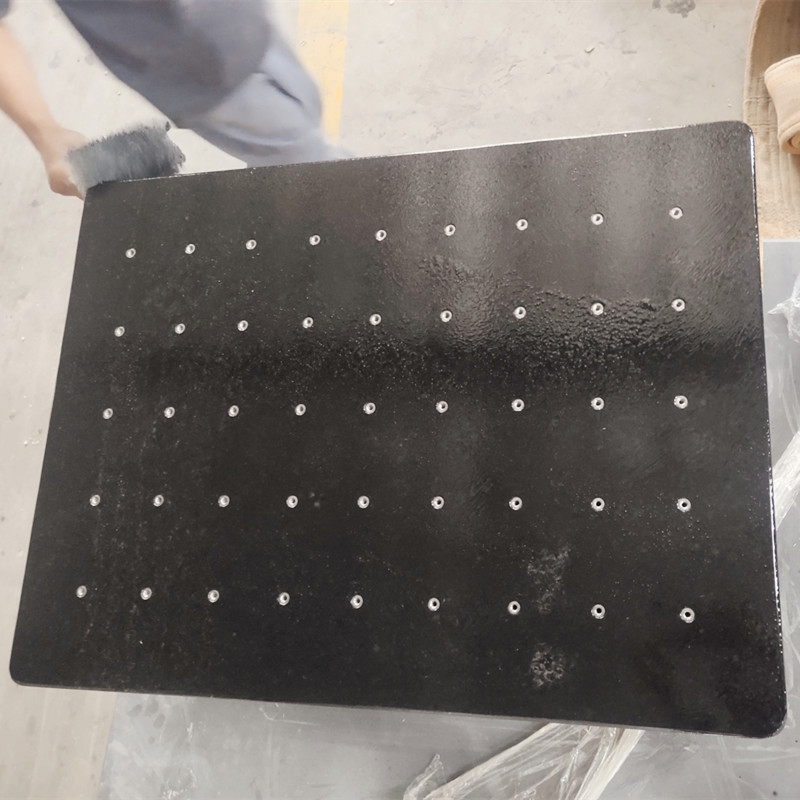
V-Block Technology Revolutionizing Manufacturing Precision and Efficiency
The Paradox of V Block V Block Navigating the Dual Realities of Virtual and Physical Worlds In the
Water Hose Valve Options for Efficient Gardening and Outdoor Watering Solutions
Understanding the Water Hose Valve A Key Component for Efficient Water Management In the modern worl
 English